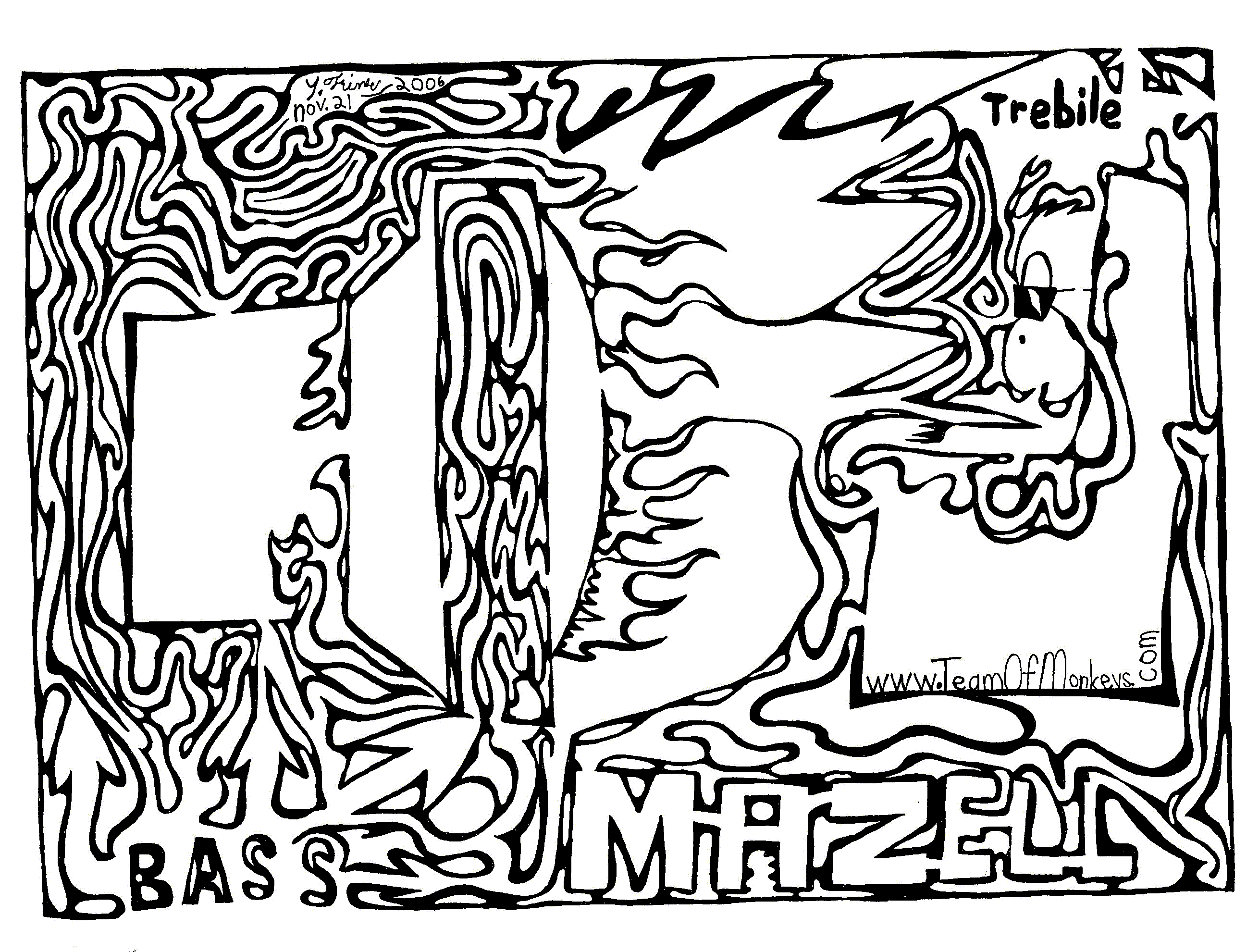
Click for Maze Solution of Kangaroo Maze
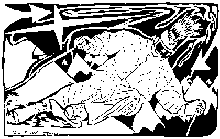
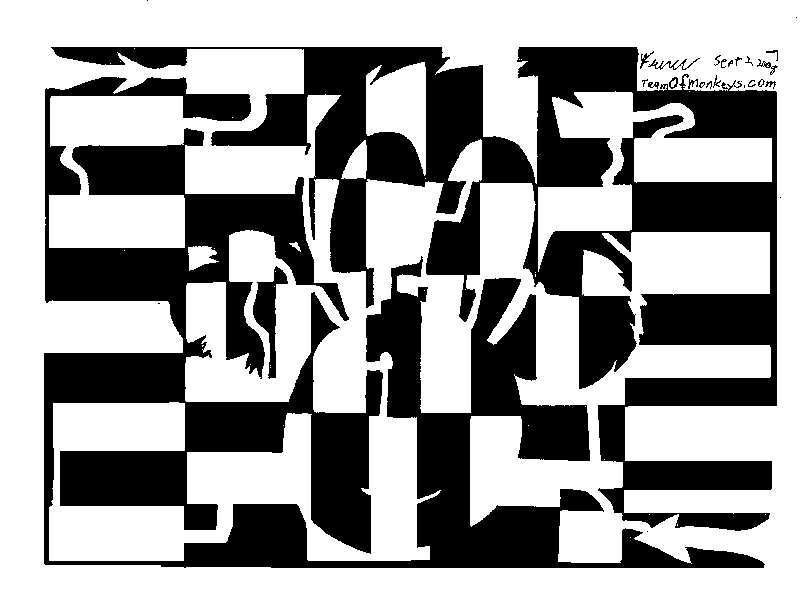
Maze of a leaping kangaroo, an animal that only lives in the areas near Australia. The entrance of the maze is in the upper left corner, and the exit is in the lower right corner of the maze. This maze goes with the maze of the letter K for the kids book, "Learn To A Maze" Which uses mazes to teach kids the alphabet. By Yonatan Frimer.
Number One (1) Maze

Click for Maze Solution of Number One (1) Maze
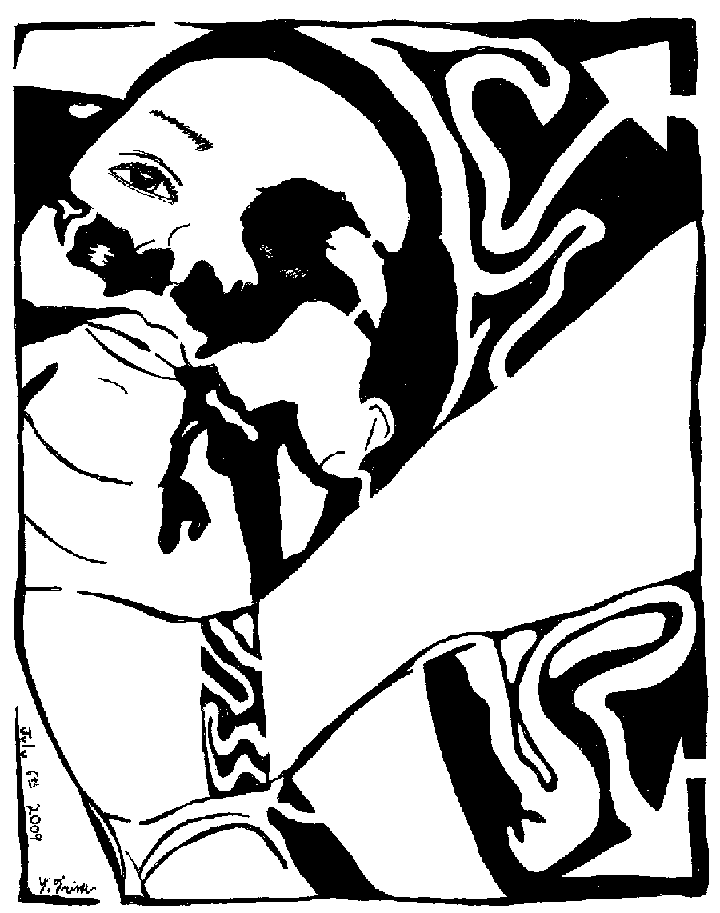
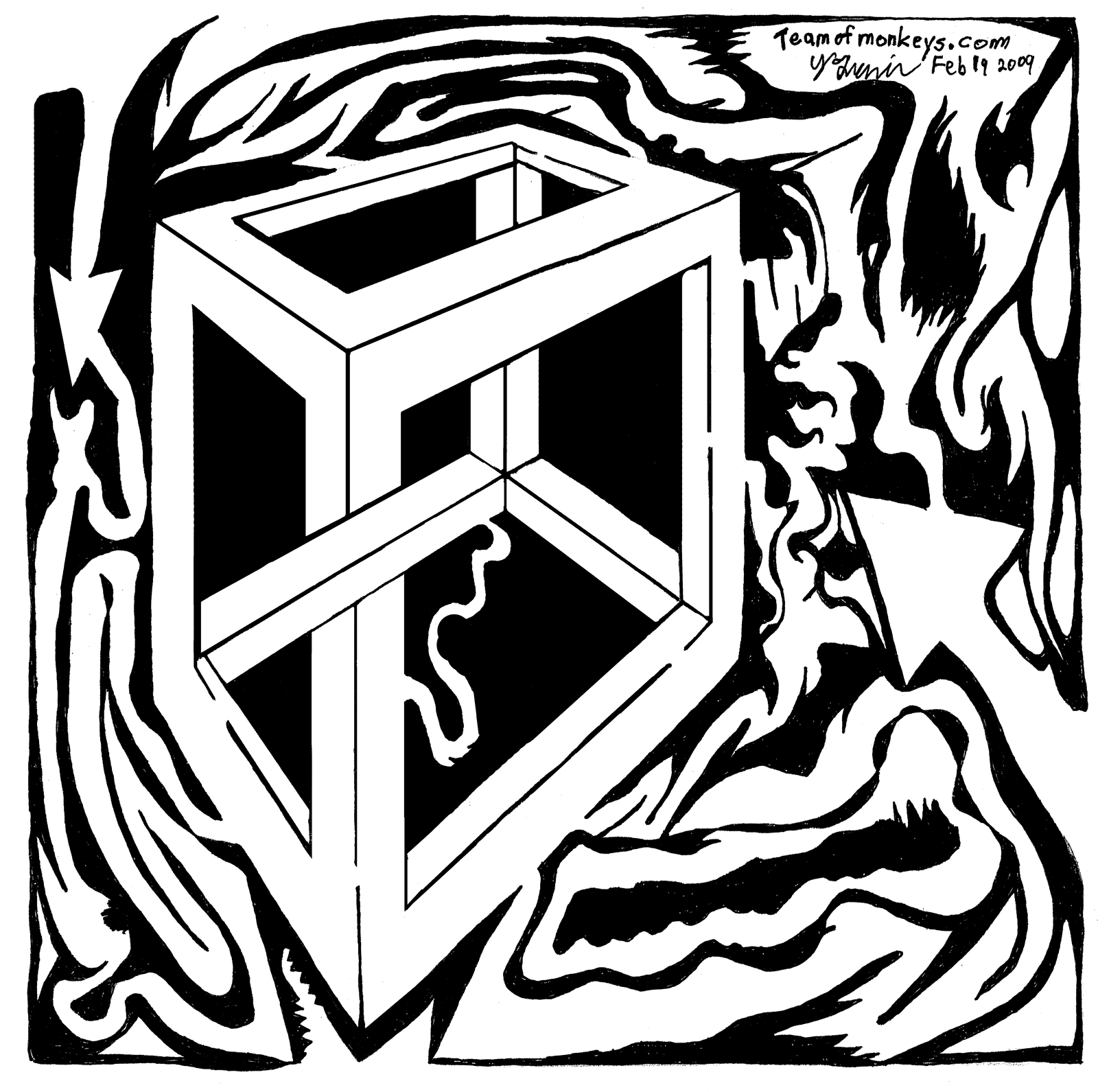
Maze of the number One (1) Maze starts in the upper left corner and ends in the lower right corner. Created by Yonatan Frimer
Image info: (Line Drawing)
- Images courtesy of this maze source:
- And also thanks to Maze Blog for other mazes
- And another maze blog source
Check out Yonatan Frimer's Editorial Cartoon Maze Blog on The Jerusalem Post
Check out Mazes by Category on Team Of Monkeys . com
Check out some new and old hot mazes:



The Word "Maze" in the news....
Victims oppose Euro funding for Maze site
TWO victims' groups have hit out after it emerged that government has applied for £20m of European funding to develop the former prison buildings at the Maze.A development corporation was set up in September to decide what to do with the site.
There are several options which include the relocation of the Balmoral Show and establishing a peace facility in the remaining buildings on the site where some of Northern Ireland's most infamous killers were once housed.
However two victims group have said they were "aghast" to discover that an application has been submitted to the EU for funding to establish a conflict transformation centre in the disputed buildings.
A core part of the proposal is the maintenance, preservation and future development of the former H-Blocks and hospital wing.
Director of Lisnaskea-based victims' group South East Fermanagh Foundation Kenny Donaldson has expressed his opposition to the plan.
"In recent weeks we have had OFMDFM's bosses announce that funding was being sought to develop a CTF at that site, so OFMDFM have presided over the non-delivery of a National Sports stadium but are now backing the development of a Conflict Transformation Facility/shrine to terrorism at that site.
"I, along with many from throughout the Northern Ireland community, am aghast at this turn of events.
"The vast majority of our society whether nationalist, unionist or otherwise are not opposed to the creation of a Peace Building Centre, which seeks to educate and inform the generations of today and tomorrow as to the folly of terrorism.
"What people have a problem with is; the building of such a centre on a site synonymous with evil and criminality."
The group Justice for Innocent Victims of Terrorism has also spoken out
"The former Maze Prison site will never be considered a neutral location for the innocent victims of terrorism," a spokesman said.
"In principle, we are not opposed to there being a peace centre developed in Northern Ireland, which genuinely examines the consequences terrorism has upon a society but we will not consent to such a centre being built at a location synonymous with Republican resistance and terrorism against our state."
The groups have set up a petition opposing the siting of the centre at the former prison.
There are several options which include the relocation of the Balmoral Show and establishing a peace facility in the remaining buildings on the site where some of Northern Ireland's most infamous killers were once housed.
However two victims group have said they were "aghast" to discover that an application has been submitted to the EU for funding to establish a conflict transformation centre in the disputed buildings.
A core part of the proposal is the maintenance, preservation and future development of the former H-Blocks and hospital wing.
Director of Lisnaskea-based victims' group South East Fermanagh Foundation Kenny Donaldson has expressed his opposition to the plan.
"In recent weeks we have had OFMDFM's bosses announce that funding was being sought to develop a CTF at that site, so OFMDFM have presided over the non-delivery of a National Sports stadium but are now backing the development of a Conflict Transformation Facility/shrine to terrorism at that site.
"I, along with many from throughout the Northern Ireland community, am aghast at this turn of events.
"The vast majority of our society whether nationalist, unionist or otherwise are not opposed to the creation of a Peace Building Centre, which seeks to educate and inform the generations of today and tomorrow as to the folly of terrorism.
"What people have a problem with is; the building of such a centre on a site synonymous with evil and criminality."
The group Justice for Innocent Victims of Terrorism has also spoken out
"The former Maze Prison site will never be considered a neutral location for the innocent victims of terrorism," a spokesman said.
"In principle, we are not opposed to there being a peace centre developed in Northern Ireland, which genuinely examines the consequences terrorism has upon a society but we will not consent to such a centre being built at a location synonymous with Republican resistance and terrorism against our state."
The groups have set up a petition opposing the siting of the centre at the former prison.